
Your list is empty, add products to the list to send a request








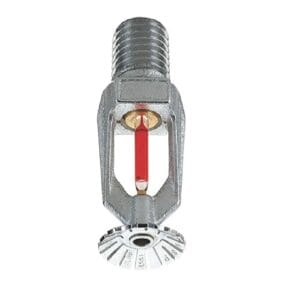
RAINX Upright Type Automatic Sprinkler (MOQ-10 Pcs)
World Class Quality Control Systems. Easy to Install. Easy to Maintain. Precisely Designed. Excellent Perfomance. Finest Quality Materials.
Close
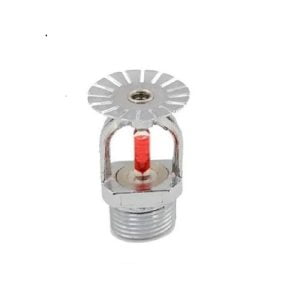
Safe On Fire Upright UL Listed Sprinkler 68 Degree
Safe On Fire Upright UL Listed Sprinkler 68 Degree are composed of the same components: a sealing assembly or plug that prevents water from escaping, a heat-sensitive element that allows water to flow at a given temperature, a deflector that distributes water effectively, and a frame. Fire sprinkler heads feature heat-sensitive parts either a glass bulb or a fusible link that cause them to activate at a specific temperature.
Close
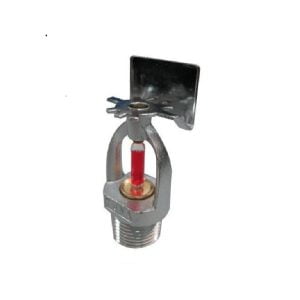
Safe On Fire Upright Sprinkler 68 Degree
Safe On Fire Upright Sprinkler 68 Degree are composed of the same components: a sealing assembly or plug that prevents water from escaping, a heat-sensitive element that allows water to flow at a given temperature, a deflector that distributes water effectively, and a frame. Fire sprinkler heads feature heat-sensitive parts either a glass bulb or a fusible link that cause them to activate at a specific temperature.
Upright Sprinkler FAQs
1. What is an upright sprinkler head?
An upright sprinkler head is a fire sprinkler installed above the pipe with its deflector positioned on top. When activated by heat, water flows upward and strikes the deflector, creating a controlled spray pattern that distributes water over the protected area. Upright sprinklers are commonly used in warehouses, factories, and exposed ceiling environments.
2. Where are upright sprinklers commonly used?
Upright sprinklers are commonly used in warehouses, industrial facilities, parking garages, and mechanical rooms with exposed ceilings. Their design allows effective water distribution around beams, ducts, storage racks, and other ceiling obstructions, making them ideal for demanding commercial and industrial applications.
3. How do upright sprinklers work?
Upright sprinklers activate when heat causes the glass bulb or fusible element to break at a specific temperature. Water then flows through the sprinkler, strikes the deflector above it, and disperses downward in a uniform spray pattern to help control or suppress the fire.
4. What is the difference between upright and pendent sprinklers?
Upright sprinklers are mounted above the pipe, while pendent sprinklers hang below the pipe. Upright models are typically used in open or unfinished ceilings, whereas pendent sprinklers are more common in offices, schools, hotels, and other spaces with finished ceilings.
5. Why are upright sprinklers preferred in warehouses?
Upright sprinklers are preferred in warehouses because they provide reliable water distribution around storage racks, beams, and structural obstructions. Their spray pattern helps protect large open spaces and high-storage environments where standard ceiling configurations may not be practical.
6. Are upright sprinklers suitable for high-hazard occupancies?
Yes, upright sprinklers are widely used in ordinary-hazard and extra-hazard occupancies. Many models are designed for industrial facilities, manufacturing plants, storage buildings, and other higher-risk environments that require dependable fire suppression performance.
7. What temperature ratings are available for upright sprinklers?
Upright sprinklers are available in multiple temperature ratings to suit different environmental conditions. Common ratings include 57°C, 68°C, 79°C, and 93°C, allowing fire protection professionals to select the appropriate sprinkler based on ambient temperatures and fire protection requirements.
8. How do I choose the right upright sprinkler?
The right upright sprinkler depends on the hazard classification, ceiling layout, temperature rating, and hydraulic design requirements. Key factors include response type, K-factor, occupancy hazard level, available water supply, and applicable fire protection standards for the building.
9. Are upright sprinklers compatible with different fire sprinkler systems?
Yes, upright sprinklers can be used with wet-pipe, dry-pipe, pre-action, and deluge fire sprinkler systems. The selection depends on the building's fire protection design, environmental conditions, and occupancy risks rather than the sprinkler's mounting orientation alone.
10. How often should upright sprinklers be inspected?
Upright sprinklers should be inspected regularly to ensure they remain free from corrosion, paint, dust, damage, or obstructions. Routine inspections help maintain system reliability, support fire code compliance, and ensure the sprinkler operates correctly during a fire emergency.

