
Your list is empty, add products to the list to send a request









Close
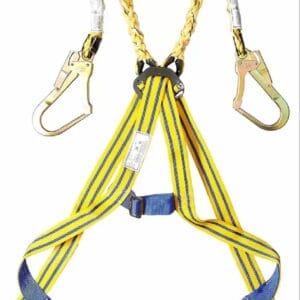
Honeywell EN 2 Point Value Plus Harness With Shock Absorbing Double Lanyard – Harness and Lanyards
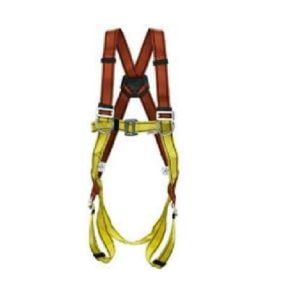
Universal fit -2 point adjustability. Dope dye dual color polyester webbing. Easy donning labels. Forged steel hardware. Ergonomic design. Fall indicators. UV stabilized no-fade ribbons. Polyester rope lanyard. Versatile Hooks.
Close
Anzensei AZS62 Full Body Harness
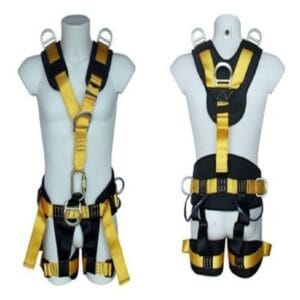
Anzensei AZS62 Full Body Harness Backed ourselves with modern machines and tools, we are engaged in offeringÿFull Body Harness. To meet the variegated demands of the clients, our company is instrumental in offering an excellent quality range of Full Body Safety Harness.
Close
Honeywell EN 2 Point Value Harness, Permanently Attached Double PE Lanyard – Harness and Lanyards
Universal fit -2 point adjustability. Dope dye dual color polyester webbing. Easy donning labels. Forged steel hardware. Ergonomic design. Fall indicators. UV stabilized no-fade ribbons. Polyester rope lanyard. Versatile Hooks.

Close
Honeywell EN 2 Point Value Plus Harness – Harness and Lanyards
Universal fit -2 point adjustability. Dope dye dual color polyester webbing. Easy donning labels. Forged steel hardware. Ergonomic design. Fall indicators. UV stabilized no-fade ribbons. Polyester rope lanyard. Versatile Hooks.
Close
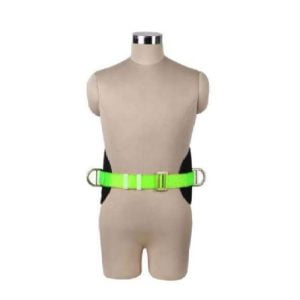
Alko APS 459 Waist Harness
Alko APS 459 Waist Harness Backed ourselves with modern machines and tools, we are engaged in offeringÿFull Body Harnesses. To meet the variegated demands of the clients, our company is instrumental in offering an excellent quality range of Full Body Safety Harnesses.
Close
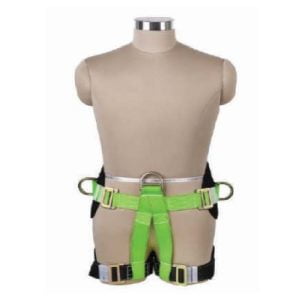
Alko APS 457 Waist Harness
Alko APS 457 Waist Harness Backed ourselves with modern machines and tools, we are engaged in offering Waist Harnesses. To meet the variegated demands of the clients, our company is instrumental in offering an excellent quality range of Waist Safety Harnesses.
Close
Alko APS 457 Waist Harness
Alko APS 457 Waist Harness Backed ourselves with modern machines and tools, we are engaged in offering Waist Harnesses. To meet the variegated demands of the clients, our company is instrumental in offering an excellent quality range of Waist Safety Harnesses.
Close
Alko APS 457 Waist Harness
Alko APS 457 Waist Harness Backed ourselves with modern machines and tools, we are engaged in offering Waist Harnesses. To meet the variegated demands of the clients, our company is instrumental in offering an excellent quality range of Waist Safety Harnesses.
Close
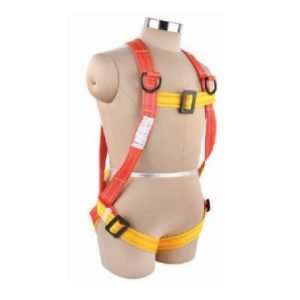
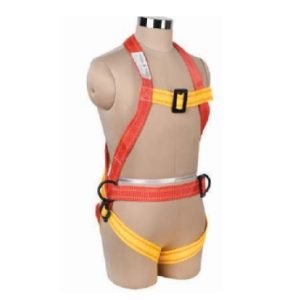
Alko APS 404 Full Body Harness
Alko APS 404 Full Body Harness Backed ourselves with modern machines and tools, we are engaged in offeringÿFull Body Harness. To meet the variegated demands of the clients, our company is instrumental in offering an excellent quality range of Full Body Safety Harness.
Close
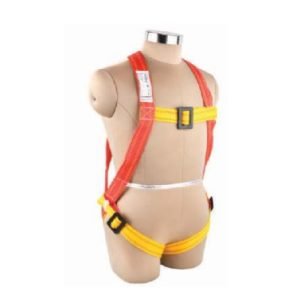
Alko APS 402 Full Body Harness
Alko APS 402 Full Body Harness Backed ourselves with modern machines and tools, we are engaged in offeringÿFull Body Harness. To meet the variegated demands of the clients, our company is instrumental in offering an excellent quality range of Full Body Safety Harness.
Close
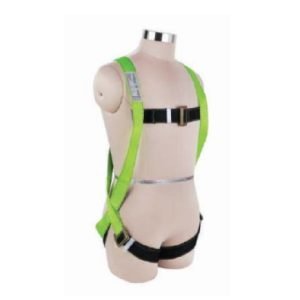
Alko APS 401 Full Body Harness
Alko APS 401 Full Body Harness Backed ourselves with modern machines and tools, we are engaged in offeringÿFull Body Harness. To meet the variegated demands of the clients, our company is instrumental in offering an excellent quality range of Full Body Safety Harness.
Close
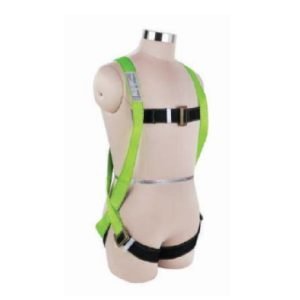
Alko APS 454 Full Body Harness
Alko APS 454 Full Body Harness Backed ourselves with modern machines and tools, we are engaged in offeringÿFull Body Harness. To meet the variegated demands of the clients, our company is instrumental in offering an excellent quality range of Full Body Safety Harness.
Close
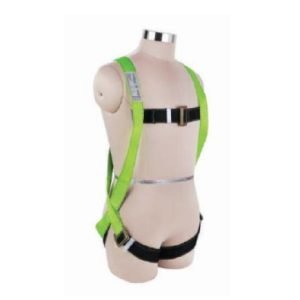
Alko APS 453 Full Body Harness
Alko APS 453 Full Body Harness Backed ourselves with modern machines and tools, we are engaged in offeringÿFull Body Harness. To meet the variegated demands of the clients, our company is instrumental in offering an excellent quality range of Full Body Safety Harness.
Close
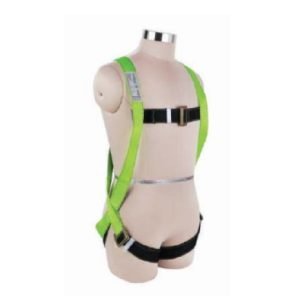
Alko APS 452 Full Body Harness
Alko APS 452 Full Body Harness Backed ourselves with modern machines and tools, we are engaged in offeringÿFull Body Harness. To meet the variegated demands of the clients, our company is instrumental in offering an excellent quality range of Full Body Safety Harness.
Close
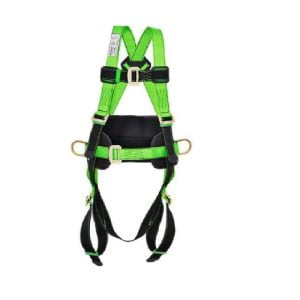
Alko APS 451 Full Body Harness
Alko APS 451 Full Body Harness Backed ourselves with modern machines and tools, we are engaged in offeringÿFull Body Harness. To meet the variegated demands of the clients, our company is instrumental in offering an excellent quality range of Full Body Safety Harness.
Close
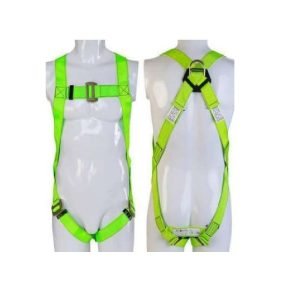
Anzensei AZS65 Full Body Harness ISI Marked
Anzensei AZS65 Full Body Harness ISI Marked Backed ourselves with modern machines and tools, we are engaged in offeringÿFull Body Harness. To meet the variegated demands of the clients, our company is instrumental in offering an excellent quality range of Full Body Safety Harness.
Close
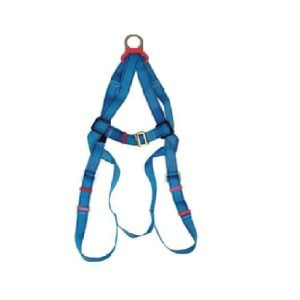
Anzensei AZS64 Heapro Full Body Harness ISI Marked
Anzensei AZS64 Heapro Full Body Harness ISI Marked Backed ourselves with modern machines and tools, we are engaged in offeringÿFull Body Harness. To meet the variegated demands of the clients, our company is instrumental in offering an excellent quality range of Full Body Safety Harness.
Close
Anzensei AZS63 MAX Full BodyHarness ISI Marked
Anzensei AZS63 MAX Full Body
Harness ISI Marked Backed ourselves with modern machines and tools, we are engaged in offeringÿFull Body Harness. To meet the variegated demands of the clients, our company is instrumental in offering an excellent quality range of Full Body Safety Harness.
Full Body Harness FAQs
1. What is a full body harness used for?
A full body harness is a fall protection device designed to distribute fall-arrest forces across the shoulders, chest, pelvis, and thighs. It helps reduce the risk of serious injury when working at height and is widely used in construction, maintenance, telecommunications, and industrial applications.
2. Who should wear a full body safety harness?
Anyone working at height where there is a risk of falling should wear a full body safety harness. It is commonly used by construction workers, electricians, tower climbers, warehouse maintenance teams, oil and gas personnel, and industrial technicians performing elevated tasks.
3. What types of full body harnesses are available?
Full body harnesses are available in different configurations to suit various work-at-height applications.
- 2-point harnesses
- 3-point harnesses
- 4-point harnesses
- Harnesses with single or double lanyards
- Shock-absorbing harness systems
- Positioning and rescue harnesses
4. How do I choose the right full body harness?
Choose a harness based on your work environment, fall hazards, and job requirements. Consider attachment points, lanyard compatibility, comfort, adjustability, weight capacity, and compliance with applicable safety standards before making your selection.
5. What is the purpose of a shock-absorbing lanyard?
A shock-absorbing lanyard helps reduce the impact force experienced during a fall. It gradually absorbs energy during fall arrest, lowering the forces transferred to the worker and improving overall safety when connected to a compatible full body harness.
6. How often should a full body harness be inspected?
A full body harness should be visually inspected before every use and undergo periodic detailed inspections by a competent person. Check for cuts, frayed webbing, damaged stitching, corrosion, broken buckles, and signs of excessive wear before working at height.
7. Which industries commonly use full body harnesses?
Full body harnesses are essential in industries where employees work at elevated heights.
- Construction
- Oil and gas
- Telecommunications
- Power and utilities
- Warehousing
- Manufacturing
- Wind energy
- Infrastructure maintenance
- Fire and rescue services
8. Can a full body harness be reused after a fall?
No, a harness that has arrested a fall should be removed from service immediately unless the manufacturer specifically permits reuse after inspection. It should be inspected by a qualified person and replaced if there is any indication of damage or compromised performance.
9. What features should I look for in a quality full body harness?
A quality full body harness should provide both safety and comfort for extended use.
- Adjustable shoulder and leg straps
- Dorsal and front D-rings
- Forged metal hardware
- Fall indicators
- Shock-absorbing lanyard compatibility
- Durable polyester webbing
- Ergonomic design
10. Where can I buy full body harnesses in India?
Full body harnesses are available from authorized PPE and fire safety equipment suppliers offering certified fall protection solutions. Products from brands such as Honeywell, Anzensei, and Alko are suitable for construction, industrial, maintenance, and utility applications where reliable fall protection is required.

