
Your list is empty, add products to the list to send a request











Close
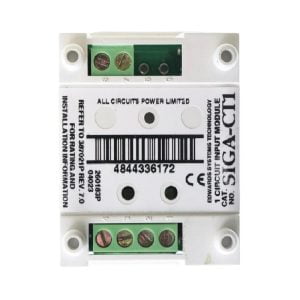
Edward SIGA-CT1 Addressable Monitor Module
Edwards EST SIGA-CT1 Single Input ModuleThe Edwards / EST SIGA-CT1 Single Input Module is an intelligent analog addressable device used to connect one Class B normally-open Alarm, Supervisory, or Monitor type dry contact Initiating Device Circuits (IDC). The Signature Series modules are compatible only with ESTs Signature Loop Controller. CT1 is an analog addressable device used to connect a Class B normally-open Alarm, Supervisory, or Monitor type dry contact Initiating Device Circuit (IDC) to a Signature Loop Controller. One (1) Device is required. Models SIGA-CT1 Features - MULTIPLE APPLICATIONS Including Alarm, Alarm with delayed latching (retard) for waterflow applications, Supervisory, and Monitor.
Close
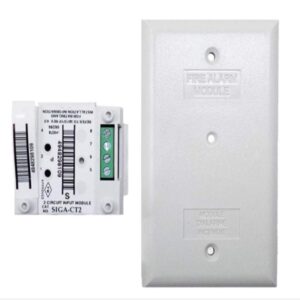
Edward SIGA-CT2 Dual Input Module
The SIGA-CT2 Dual Input Module is an addressable device
that is used to connect one or two Class B, normally open,
alarm, supervisory, or monitor type dry contact initiating device
circuits (IDCs) to a Signature loop controller.
The module can be used for alarm, supervisory, or monitor
type applications depending on the personality code assigned
to it. The personality code downloaded to the module by the
loop controller during system configuration determines the
module’s function.
Close
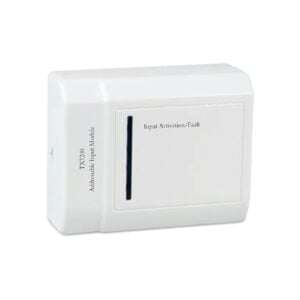
TNA Addressable Input Module
EN54-18 Compliance. LPCB Pending. Built-in MCU processor and digital addressing. Fire or Supervisory signal configuration. Input cable monitored. Normally open configuration. LED status indicator. Loop powered device. Aesthetically pleasing design. Surface mounting with fix base for simple installation.
Close
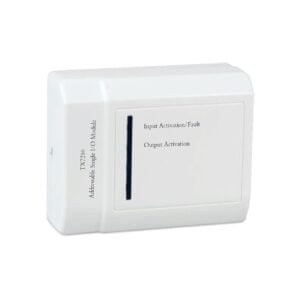
TNA Addressable Single Input/output Module
EN54-18:2005 Compliance. LPCB Approved. Built-in MCU processor and digital addressing. 24Vdc/3A Output relay contact and Control module. Input Fire or Supervisory signal configuration. LED status indicator. Onsite Adjustable Parameter. Loop or external power input. Aesthetically pleasing design. Surface mounting with fix base for simple installation.
Central Battery System Spares FAQs
1. What are central battery system spares?
Central battery system spares are replacement components used in emergency lighting systems, including address modules, batteries, control cards, chargers, relays, and monitoring units. These parts help maintain reliable emergency power during outages.
2. Why are central battery system spares important?
Central battery system spares help ensure emergency lights and exit signs continue functioning during power failures. Replacing faulty components quickly minimizes downtime and maintains fire safety compliance in buildings.
3. What types of spares are used in central battery systems?
Common central battery system spares include address modules, input/output modules, batteries, relay modules, chargers, controller boards, and monitoring devices used to support emergency lighting operations.
4. How does a central battery system work?
A central battery system supplies backup power to emergency lights and exit signs from a centralized battery source. During power failure, the system automatically switches to battery mode to maintain illumination.
5. When should central battery system spares be replaced?
Spares should be replaced when components show faults, battery backup weakens, communication fails, or the emergency lighting system does not operate correctly during testing.
6. What causes central battery system failures?
Common causes include battery aging, charger faults, damaged modules, wiring issues, poor maintenance, or power supply failures. Regular inspection helps prevent unexpected system breakdowns.
7. How often should central battery systems be tested and maintained?
Central battery systems should be tested monthly for basic functionality and serviced every 6–12 months to ensure reliable emergency operation and compliance with safety standards.
8. Can central battery system spares improve emergency lighting performance?
Yes, high-quality replacement spares improve system reliability, battery efficiency, fault monitoring, and emergency lighting performance during power outages or fire emergencies.
9. Are central battery systems mandatory in commercial buildings?
Yes, many commercial, industrial, hospital, and high-rise buildings require emergency lighting systems with central battery backup to comply with fire safety and evacuation regulations.
10. How can I purchase central battery system spares?
You can explore a wide range of central battery system spares from Fire Supplies. Their team can assist with product selection, pricing, bulk orders, and installation support.

