
Your list is empty, add products to the list to send a request








Close
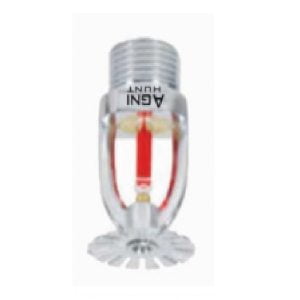
Agni Hunt Star Pendant Make Fire Sprinkler
Agni Hunt Star Pendant Make Fire Sprinkler is a fusible link fire sprinklers replace that bulb with metal components secured to the sprinkler by a heat-sensitive alloy. Rising temperatures cause the alloy to melt, allowing the metal elements to fall from the sprinkler head and activate the sprinkler. Our fire sprinklers are available in 1/2" (12.7 mm) size. A 1/2" model is the most common size for office buildings, hotels, and schools.

Close
Detect Fire Concealed Sprinkler
Detect Fire Concealed Sprinkler Quick Response Concealed Pendent Sprinkler is a thermosensitive glass-bulb spray sprinkler designed for installation on concealed pipe systems where the appearance of a smooth ceiling is desired.
Close
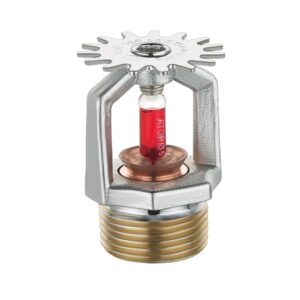
ArmorFire Brass Pendent Sprinkler (UL, Bulb) (MOQ – 8Pcs)
Compact Design. Glass Bulb Type. Several Different Finishes. With Temperature Ratings. Standard Response (5mm Glass Bulb). Quick Response (3mm Glass Bulb).
Close
Newage Fire Sprinklers, Pendent Type
Newage Fire Sprinklers, Pendent Type is a reliable and efficient solution for automatic fire suppression systems. Designed to provide superior
Close
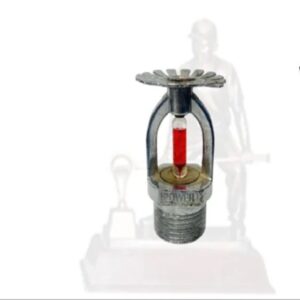
Swastik Fire Sprinklers, Pendent Type (MOQ – 8 Pcs)
Durable Material. Resistance to Corrosion. Easy to install. Excellent performance.
Close
Swastik Fire Sprinklers, Pendent Type (MOQ – 8 Pcs)
Durable Material. Resistance to Corrosion. Easy to install. Excellent performance.

Close
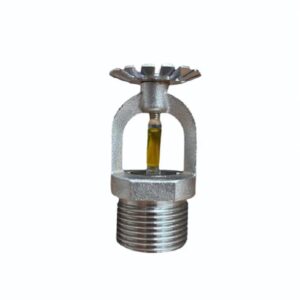
ExoFire Brass Sprinkler 68 Degree (MOQ – 15 Pcs)
Type Rotatory Nozzle. Thread Size 1 inch. StylePendent. Body Material Stainless Steel. Celling Type Mounting.
Close
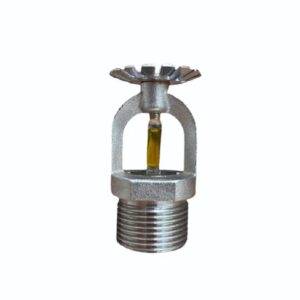
ExoFire Stainless Steel Sprinkler 58 Degree (MOQ – 20 Pcs)
Type Rotatory Nozzle. Thread Size 1 inch. StylePendent. Body Material Stainless Steel. Celling Type Mounting.
Close
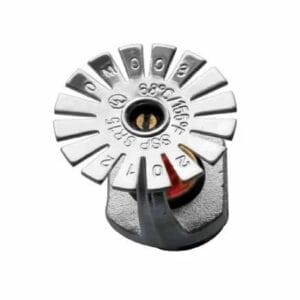
ExoFire Stainless Steel Fire Pendent Sprinkler 68 Degree (MOQ – 25 Pcs)
Type Rotatory Nozzle. Thread Size 1 inch. StylePendent. Body Material Stainless Steel. Celling Type Mounting.
Close
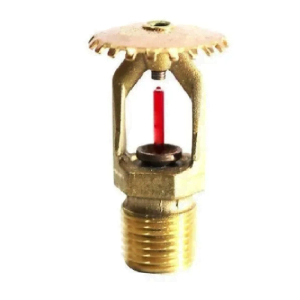
RAINX Pendent Type Automatic Sprinkler
World Class Quality Control Systems. Easy to Install. Easy to Maintain. Precisely Designed. Excellent Perfomance. Finest Quality Materials.
Close
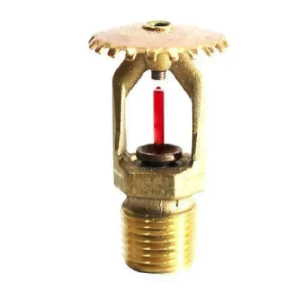
Detect Fire Tyco Upright 93
Detect Fire Tyco Upright 93ø Upright fire sprinklers spray water upward to a concave deflector, producing a dome-shaped spray pattern. They install deflector-up to cover specific areas and to prevent ice and debris from collecting in the head.
Close
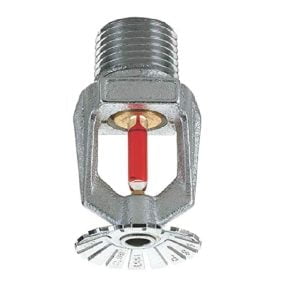
Detect Fire Tyco Pendent 93
Tyco Pendent 93ø Pendent Sprinkler is a small, thermosensitive, glass-bulb spray sprinkler available in several different finishes and temperature ratings to meet design requirements.
Close
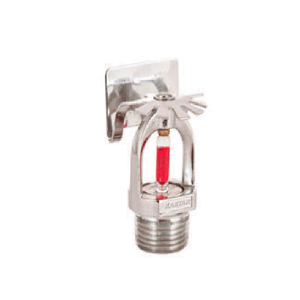
Detect Fire 68 upright Sprinkler
Detect Fire 68*upright Sprinkler Fire sprinkler for firefighting systems designed to be fitted at the end of firefighting pipeline to spray water for extinguishing or suppressing the fire. An upright sprinkler is installed at the top with an upper water deflector, so water coming out of the orifice shoots upward.
Close
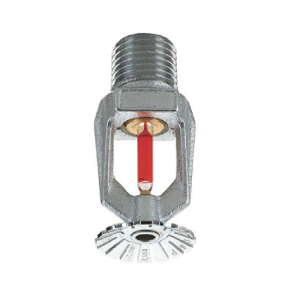
Detect Fire 68 nsw-68 15mm sidewall sprinkler
Detect Fire 68 nsw-68 15mm sidewall sprinkler as the name suggests, protrude from the side of a wall, as opposed to hanging down from the ceiling. Sidewall fire sprinklers are ideal to use in situations where ceiling access is limited or where freezing is a potential concern.
Close
Detect Fire 68 Pendant Sprinkler
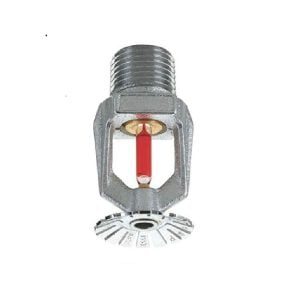
Detect Fire 68* Pendant Sprinkler the heat-sensitive liquid in the glass bulb expands, causing the glass bulb to shatter. extremely employed by customers owing to their sturdy nature. The Glass bulk fire sprinkler is suitable for buidlings where the working temperature not less than 4 degree and not higher than 70degree.
Close
Safe On Fire Sprinkler Pendent UL Listed Type 68 Degree
Safe On Fire Sprinkler Pendent UL Listed Type 68 Degree fire sprinklers are composed of the same components: a sealing assembly or plug that prevents water from escaping, a heat-sensitive element that allows water to flow at a given temperature, a deflector that distributes water effectively, and a frame. Fire sprinkler heads feature heat-sensitive parts either a glass bulb or a fusible link that cause them to activate at a specific temperature.

Close
Safe On Fire Sprinkler Pendent Type 68 Degree
Safe On Fire Sprinkler Pendent Type 68 Degree fire sprinklers are composed of the same components: a sealing assembly or plug that prevents water from escaping, a heat-sensitive element that allows water to flow at a given temperature, a deflector that distributes water effectively, and a frame. Fire sprinkler heads feature heat-sensitive parts either a glass bulb or a fusible link that cause them to activate at a specific temperature.
Pendent & Recessed Pendent Sprinkler FAQs
1. What is a pendent sprinkler head?
A pendent sprinkler head is a ceiling-mounted fire sprinkler that directs water downward in a circular spray pattern when activated by heat. It is the most widely used sprinkler type in offices, hotels, schools, residential buildings, and commercial facilities because it provides reliable and uniform fire protection coverage.
2. What is a recessed pendent sprinkler?
A recessed pendent sprinkler is a pendent sprinkler installed partially inside the ceiling using an escutcheon plate for a cleaner appearance. It offers the same fire protection performance as a standard pendent sprinkler while reducing its visible profile, making it ideal for finished ceilings and modern interiors.
3. What is the difference between pendent and recessed pendent sprinklers?
The main difference is appearance, not fire protection performance. Standard pendent sprinklers remain fully visible below the ceiling, while recessed pendent sprinklers sit partially inside the ceiling with a trim plate. Both are designed to provide effective automatic fire suppression when exposed to heat.
4. Where are pendent sprinklers commonly used?
Pendent sprinklers are commonly installed in offices, hotels, hospitals, retail stores, educational facilities, and residential buildings. Their downward water distribution pattern provides consistent coverage across open occupied spaces, making them one of the most versatile sprinkler head designs available.
5. Why choose recessed pendent sprinklers for modern buildings?
Recessed pendent sprinklers are preferred when aesthetics and fire protection are equally important. Their low-profile design blends with finished ceilings while maintaining automatic fire suppression capabilities, making them popular in hotels, commercial buildings, apartments, and premium residential projects.
6. How do pendent sprinklers activate during a fire?
Pendent sprinklers activate when a heat-sensitive glass bulb or fusible element reaches its rated temperature and breaks. Once activated, water flows through the sprinkler and strikes the deflector, creating a uniform spray pattern that helps control or suppress the fire.
7. What temperature ratings are available for pendent sprinklers?
Pendent sprinklers are available in multiple temperature ratings to suit different environmental conditions and fire protection requirements. Common ratings include 57°C, 68°C, 79°C, and 93°C, allowing designers to select the most appropriate sprinkler for the building's operating environment.
8. Are recessed pendent sprinklers suitable for false ceilings?
Yes, recessed pendent sprinklers are specifically designed for installation in false ceilings and finished ceiling systems. Their escutcheon plate helps create a neat appearance while ensuring the sprinkler remains properly positioned for effective fire suppression when activated.
9. How do I choose the right pendent sprinkler for my building?
The right pendent sprinkler depends on the occupancy type, hazard classification, ceiling design, and sprinkler system requirements. Key factors include response type, temperature rating, K-factor, approvals, and compatibility with the building's fire protection design and applicable standards.
10. Do all sprinkler heads activate during a fire?
No, only sprinkler heads exposed to sufficient heat activate during a fire. Each sprinkler operates independently, helping control the fire at its source while minimizing unnecessary water discharge and reducing damage to unaffected areas.

