
Your list is empty, add products to the list to send a request









Close
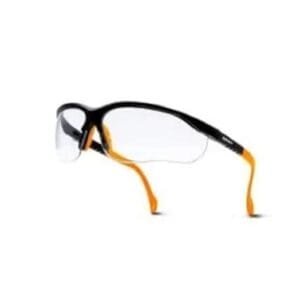
Honeywell Safety Spectacle With Clear Lens With Hard And Antifog Coating And Adjustable Temples (MOQ – 10 Pcs)
Light, Resilient and Durable protective eyewear for all day wear. Economically priced to fit any budget. Sung-fittiing wrap around lens provides perfect impact protection for eyes. Fashionable design resembles sunglasses suitable for both men andwomen. Scratch resistance, Hard-coated 100% Polycarbonate lens filter out morethan 99.99% of harmful lights. Protection against Ultra-Voilet radiations forscale 2-1.2 for clear lens, optical class.
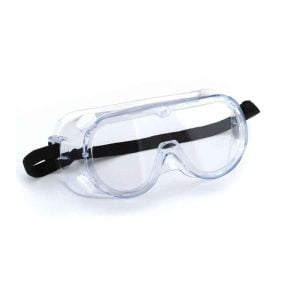
3M 1621 Clear Anti Fog Lens Protective Safety Splash Goggles
Anzensei AZS232 Safety 3M Goggle are worn to shield eyes from hazards, including flying particles, heat, chemicals, and harmful exposure to light. Face shields and helmets may be also be used with protective eyewear, especially when welding or working with molten materials, to provide additional protection.
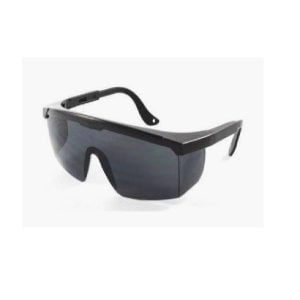
Anzensei AZS29 Safety Zoom Black Goggle
Anzensei AZS29 Safety Zoom Black Goggle are worn to shield eyes from hazards, including flying particles, heat, chemicals, and harmful exposure to light. Face shields and helmets may be also be used with protective eyewear, especially when welding or working with molten materials, to provide additional protection.
Close
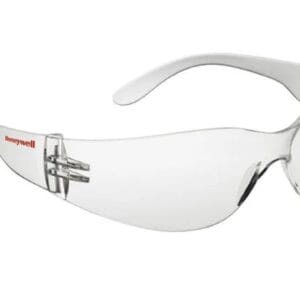
Honeywell Spectacles-Clear Anti Scratch And Fog (MOQ – 10 Pcs)Resist – Eye Protection
Clear Lens. Anti-Scratch Coating. Fog-Resistant Technology. Comfortable Fit. Durable Frame. Lightweight Construction. Easty to Clean.
Close
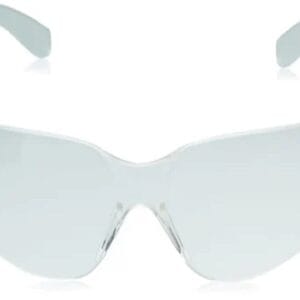
Honeywell Spectacles-Clear, Anti Scratch – Eye Protection (MOQ – 20 Pcs)
10-base, wrap-around uni-lens for great peripheral vision and protection. Molded, universal nosepiece for easy fit. Lightweight design and thin, shaped temples for all-day comfort. Anti-scratch Hardcoat lenses for maximum durability.
Optional Fog-Ban anti-fog coating available (clear lens). Easy on your pocket, economical safety eyewear.
Close
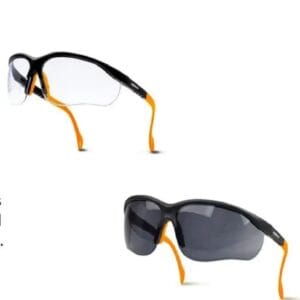
Honeywell Safety Spectacle With Clear Hard Coated Lens and Adjustable Temples (MOQ – 10 Pcs)
Light, Resilient and Durable protective eyewear for all day wear. Economically priced to fit any budget. Sung-fittiing wrap around lens provides perfect impact protection for eyes. Fashionable design resembles sunglasses suitable for both men andwomen. Scratch resistance, Hard-coated 100% Polycarbonate lens filter out morethan 99.99% of harmful lights. Protection against Ultra-Voilet radiations forscale 2-1.2 for clear lens, optical class.
Close
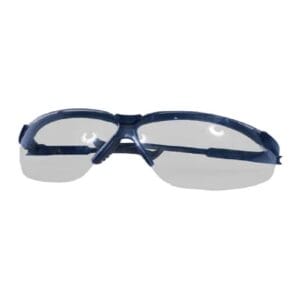
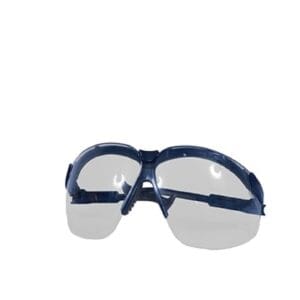
Honeywell Safety Spectacle With Clear Lens With (MOQ – 20 Pcs)Hard & Antifog Coating – Eye Protection
Eye Protection Glasses. Ultimate Fit and Comfort. Safe yet Stylish Goggles. Enjoy HD Version. Economically Priced Safety Spectacles.
Close
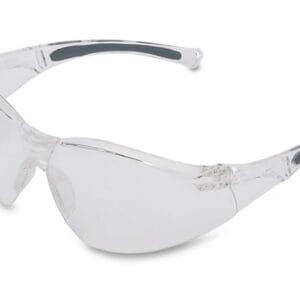
Honeywell Safety Spectacle With Clear Hard Coated Lens – Eye (MOQ – 20 Pcs) Protection
Light, Resilient and Durable protective eyewear for all day wear. Economically priced to fit any budget. Sung-fittiing wrap around lens provides perfect impact protection for eyes. Fashionable design resembles sunglasses suitable for both men andwomen. Scratch resistance, Hard-coated 100% Polycarbonate lens filter out morethan 99.99% of harmful lights.
Close
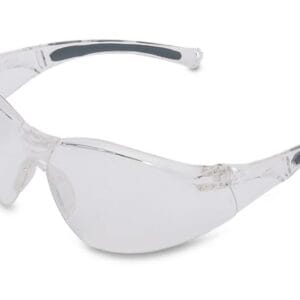
Honeywell A800 EYEWEAR HC – Eye Protection (MOQ – 10 Pcs)
Affordably priced and economical for your business. Sporty, 9-base wrap-around polycarbonate lens. They provide a 180 Degree ?eld of distortion-free vision. Non-slip rubber nose bridge. Unique temples with soft, padded inserts down the length
of the temple. Extra ?ex built into the temple for increased tension control. Available with scratch-resistant hard coating or Fog-Ban anti-fog coating. Product certi?ed to EN 166 : 2001, PPE Regulation 2016/425.
Close
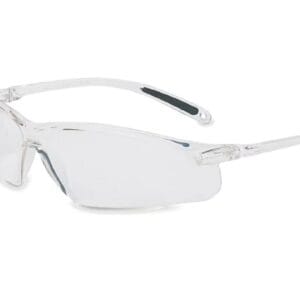
Honeywell A800 EYEWEAR ANTIFOG – Eye Protection (MOQ – 10 Pcs)
Affordably priced and economical for your business. Sporty, 9-base wrap-around polycarbonate lens. They provide a 180 Degree ?eld of distortion-free vision. Non-slip rubber nose bridge. Unique temples with soft, padded inserts down the length
of the temple. Extra ?ex built into the temple for increased tension control. Available with scratch-resistant hard coating or Fog-Ban anti-fog coating. Product certi?ed to EN 166 : 2001, PPE Regulation 2016/425.
Close
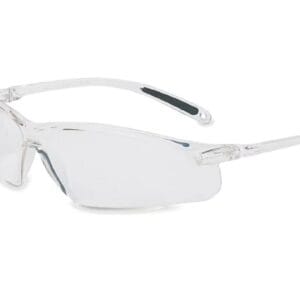
Honeywell A700 EYEWEAR ANTIFOG – Eye Protection (MOQ – 10 Pcs)
Rock-solid protection for an affordable price. Provides a stylish ?t for everyday wear. Sport temples with soft temple tip pads. Molded universal nose bridge for a comfortable ?t. Secure, wrap-around ?t for all-day comfort. 8-base polycarbonate abrasion resistant lenses and a 180 Degree
?eld of distortion-free vision. Product certi?ed to EN 166 : 2001, PPE Regulation 2016/425.
Close
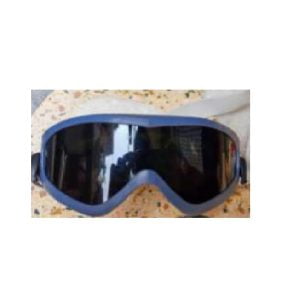
Honeywell A700 EYEWEAR HC – Eye Protection (MOQ-10 Pcs)
Rock-solid protection for an affordable price. Provides a stylish ?t for everyday wear. Sport temples with soft temple tip pads. Molded universal nose bridge for a comfortable ?t. Secure, wrap-around ?t for all-day comfort. 8-base polycarbonate abrasion resistant lenses and a 180 Degree
?eld of distortion-free vision. Product certi?ed to EN 166 : 2001, PPE Regulation 2016/425.
Close
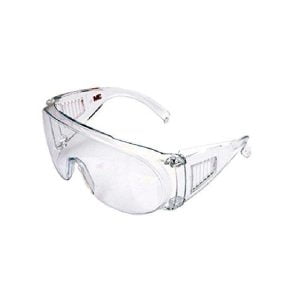
Anzensei AZS33 Safety Welding Goggle
Anzensei AZS33 Safety Welding Goggle are worn to shield eyes while welding Also in cases of hazards, including flying particles, heat, chemicals, and harmful exposure to light. Face shields and helmets may be also be used with protective eyewear, especially when welding or working with molten materials, to provide additional protection.
Close
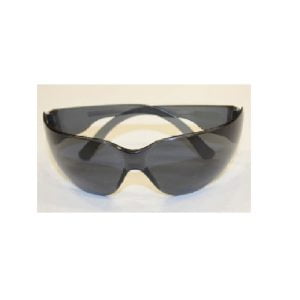
3M 1611 Clear Lens Eye Safety Protection Goggles
Anzensei AZS31 Safety 3M 1611 Goggle are worn to shield eyes from hazards, including flying particles, heat, chemicals, and harmful exposure to light. Face shields and helmets may be also be used with protective eyewear, especially when welding or working with molten materials, to provide additional protection.
Close
Anzensei AZS30 Safety Hardy Frontier Goggle(MOQ of 5 Pcs)
Anzensei AZS30 Safety Hardy Frontier Goggle are worn to shield eyes from hazards, including flying particles, heat, chemicals, and harmful exposure to light. Face shields and helmets may be also be used with protective eyewear, especially when welding or working with molten materials, to provide additional protection.
Close
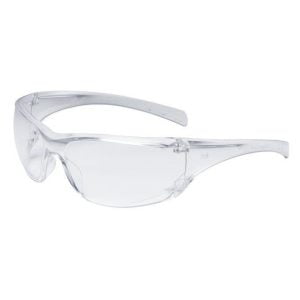
3M M214221321 Spectacle – Virtua Series
3M M214221321 Spectacle - Virtua Series

Close
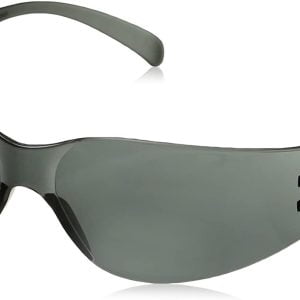
3M M214220720 Spectacle – Virtua Ap Series Grey
3M M214220720 Spectacle - Virtua Ap Series Grey
Close
3M M214220722 Spectacle – Virtua Series Grey
3M M214220722 Spectacle - Virtua Series Grey
Eye Protection FAQs
1. What is eye protection and why is it important?
Eye protection is personal protective equipment (PPE) designed to shield the eyes from workplace hazards such as flying particles, chemical splashes, dust, and harmful radiation. Proper eye protection helps prevent serious eye injuries, supports workplace safety, and is essential in construction, manufacturing, laboratories, and industrial environments.
2. What types of eye protection are available?
Common types of eye protection include safety glasses, safety goggles, face shields, welding goggles, and chemical splash goggles. Each type is designed for specific hazards and work environments, ensuring workers receive the appropriate level of protection for their tasks.
3. What is the difference between safety glasses and safety goggles?
Safety glasses protect against impact hazards, while safety goggles provide a sealed fit for protection against dust, liquids, and chemical splashes. Goggles offer greater coverage around the eyes, making them ideal for high-risk environments where airborne contaminants are present.
4. When should safety goggles be used instead of safety glasses?
Safety goggles should be used when there is a risk of chemical splashes, fine dust, fumes, or airborne particles entering around the eyes. They provide a secure seal that offers enhanced protection compared to standard safety glasses in hazardous working conditions.
5. How do I choose the right eye protection?
The right eye protection depends on the workplace hazard, comfort requirements, and applicable safety standards. Factors such as impact resistance, chemical protection, lens material, anti-fog coatings, UV protection, and compatibility with other PPE should be considered.
6. Are safety glasses suitable for industrial workplaces?
Yes, safety glasses are widely used in industrial workplaces to protect against flying debris, particles, and impact hazards. They are commonly worn in manufacturing facilities, warehouses, workshops, construction sites, and maintenance operations.
7. Do safety glasses provide UV protection?
Many safety glasses are designed with UV-resistant lenses that help protect the eyes from harmful ultraviolet radiation. This feature is particularly important for outdoor workers, construction personnel, utility workers, and anyone exposed to prolonged sunlight.
8. What safety standards should eye protection comply with?
Quality eye protection should comply with recognized safety standards to ensure reliable performance and worker protection. Depending on the region and application, products may meet standards such as ANSI Z87.1, EN 166, CE, ISO, or IS certifications.
9. Can eye protection be worn with prescription glasses?
Yes, many safety goggles and over-the-glasses safety glasses are specifically designed to fit comfortably over prescription eyewear. This allows workers to maintain clear vision while receiving the necessary eye protection for their work environment.
10. How often should eye protection be inspected and replaced?
Eye protection should be inspected regularly and replaced if lenses become scratched, cracked, damaged, or no longer provide clear visibility. Routine inspections help ensure PPE remains effective, comfortable, and capable of providing the required level of eye safety in the workplace.

