
Your list is empty, add products to the list to send a request










Close
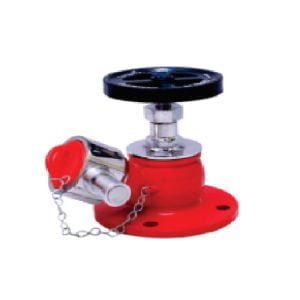
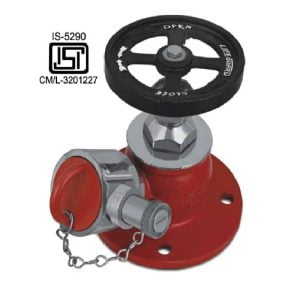
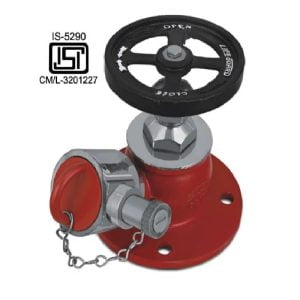
Agni Hunt Single Head CI Stainless Steel Hydrant Valve ISI Marked
Agni Hunt Single Head CI Stainless Steel Hydrant Valve ISI Marked is used to be mounted in Fire Hydrant Systems for Internal or External places. Usually, Landing Valves are referred to as Internal Hydrants since they are fitted inside the building along with a wet hydrant system.
Close
Agni Hunt Single Head CI Stainless Steel Hydrant Valve
Agni Hunt Single Head CI Stainless Steel Hydrant Valve is used to be mounted in Fire Hydrant Systems for Internal or External places. Usually, Landing Valves are referred to as Internal Hydrants since they are fitted inside the building along with a wet hydrant system.
Fire Hydrant FAQs
1. What is a fire hydrant and how does it work?
A fire hydrant is a firefighting water outlet that provides firefighters with immediate access to a pressurized water supply during a fire emergency. It connects to a dedicated fire water network and allows hoses to be attached quickly, delivering the water needed to control or extinguish fires in buildings and outdoor areas.
2. What are the main components of a fire hydrant system?
A fire hydrant system typically includes hydrant valves, landing valves, pipes, pumps, hoses, nozzles, and water storage tanks. These components work together to ensure a reliable water supply and adequate pressure for firefighting operations in commercial, industrial, and residential properties.
3. Where are fire hydrants commonly installed?
Fire hydrants are commonly installed in commercial buildings, factories, warehouses, residential complexes, airports, and industrial facilities. They are strategically positioned to provide rapid access to water and support firefighting operations across large areas and multiple building levels.
4. What is the difference between a fire hydrant and a fire hose reel?
A fire hydrant is designed for high-volume firefighting operations, while a fire hose reel is intended for first-response fire control by building occupants. Hydrants are typically used by trained personnel and firefighters, whereas hose reels are designed for tackling small fires during the initial stages.
5. What types of fire hydrants are available?
Fire hydrants are available in several configurations, including pillar hydrants, landing valves, standpost hydrants, and underground hydrants. The appropriate type depends on the building design, fire protection system layout, water supply requirements, and local fire safety regulations.
6. Why is a fire hydrant system important for fire safety?
A fire hydrant system provides a dependable and continuous water supply for firefighting operations during emergencies. It helps firefighters respond quickly, maintain adequate water flow, and reduce fire damage by supporting effective suppression efforts in large or high-risk properties.
7. How do I choose the right fire hydrant system?
The right fire hydrant system depends on the building size, occupancy type, fire risk level, and water supply requirements. Important factors include hydrant type, operating pressure, flow rate, pipe network design, and compliance with applicable fire protection standards.
8. Can fire hydrants be used in industrial facilities?
Yes, fire hydrants are widely used in industrial facilities where large volumes of water may be required for firefighting operations. Factories, warehouses, power plants, chemical facilities, and manufacturing units often rely on hydrant systems as a key part of their fire protection strategy.
9. What is the purpose of a landing valve in a fire hydrant system?
A landing valve is a hydrant system component that controls and directs water flow to firefighting hoses on different building floors. It provides a connection point for firefighters and helps ensure water can be delivered efficiently to the required location during an emergency.
10. How often should a fire hydrant system be inspected?
Fire hydrant systems should be inspected and tested regularly to ensure they remain operational and ready for emergency use. Routine inspections typically include checking valves, pressure levels, pumps, pipework, hose connections, and water flow performance to maintain system reliability.

